🎉 Up to 70% Off Selected ItemsShop Sale
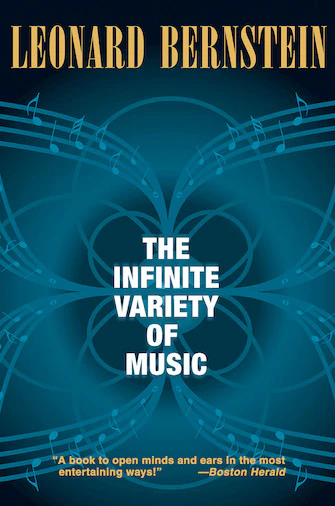
The Infinite Variety of Music
With style, wit, and expertise, Leonard Bernstein shares his love and appreciation for music in all its varied forms in The Infinite Variety of Music, illuminating the deep pleasure and sometimes subtle beauty it offers. He begins with an “imaginary conversation” with George Washington entitled “The Muzak Muse ” in which he argues the values of actively listening to music by learning how to read notes, as opposed to simply hearing music in a concert hall. The book also features the reproduction of five television scripts from Bernstein on the influence of jazz, the timeless appeal of Mozart, musical romanticism, and the complexities of rhythmic innovation. Also included are Bernstein's analyses of symphonies by Dvorák, Tchaikovsky, Beethoven, and Brahms, a rare reproduction of a 1957 lecture on the nature of composing, and a report on the musical scene written for the New York Times after his sabbatical leave from directorship of the New York Philharmonic during the 1964-65 season.
$27.00
The Infinite Variety of Music—
$27.00
Product Information
Product Information
Shipping & Returns
Shipping & Returns
Description
With style, wit, and expertise, Leonard Bernstein shares his love and appreciation for music in all its varied forms in The Infinite Variety of Music, illuminating the deep pleasure and sometimes subtle beauty it offers. He begins with an “imaginary conversation” with George Washington entitled “The Muzak Muse ” in which he argues the values of actively listening to music by learning how to read notes, as opposed to simply hearing music in a concert hall. The book also features the reproduction of five television scripts from Bernstein on the influence of jazz, the timeless appeal of Mozart, musical romanticism, and the complexities of rhythmic innovation. Also included are Bernstein's analyses of symphonies by Dvorák, Tchaikovsky, Beethoven, and Brahms, a rare reproduction of a 1957 lecture on the nature of composing, and a report on the musical scene written for the New York Times after his sabbatical leave from directorship of the New York Philharmonic during the 1964-65 season.